Well, it’s been a busy few days. I’m staying at a campsite in the village of Saint Mere Eglise, just a few miles from Juno Beach. It’s 13 eu a night and it’s a really good campsite. They even have music playing in the toilets and showers, which is…nice…. 🙂 While I’ve been here I managed to met up with an old Royal Navy pal, who’s lived in France for several years. It was really great to catch-up after such a long time. I also visited several museums:
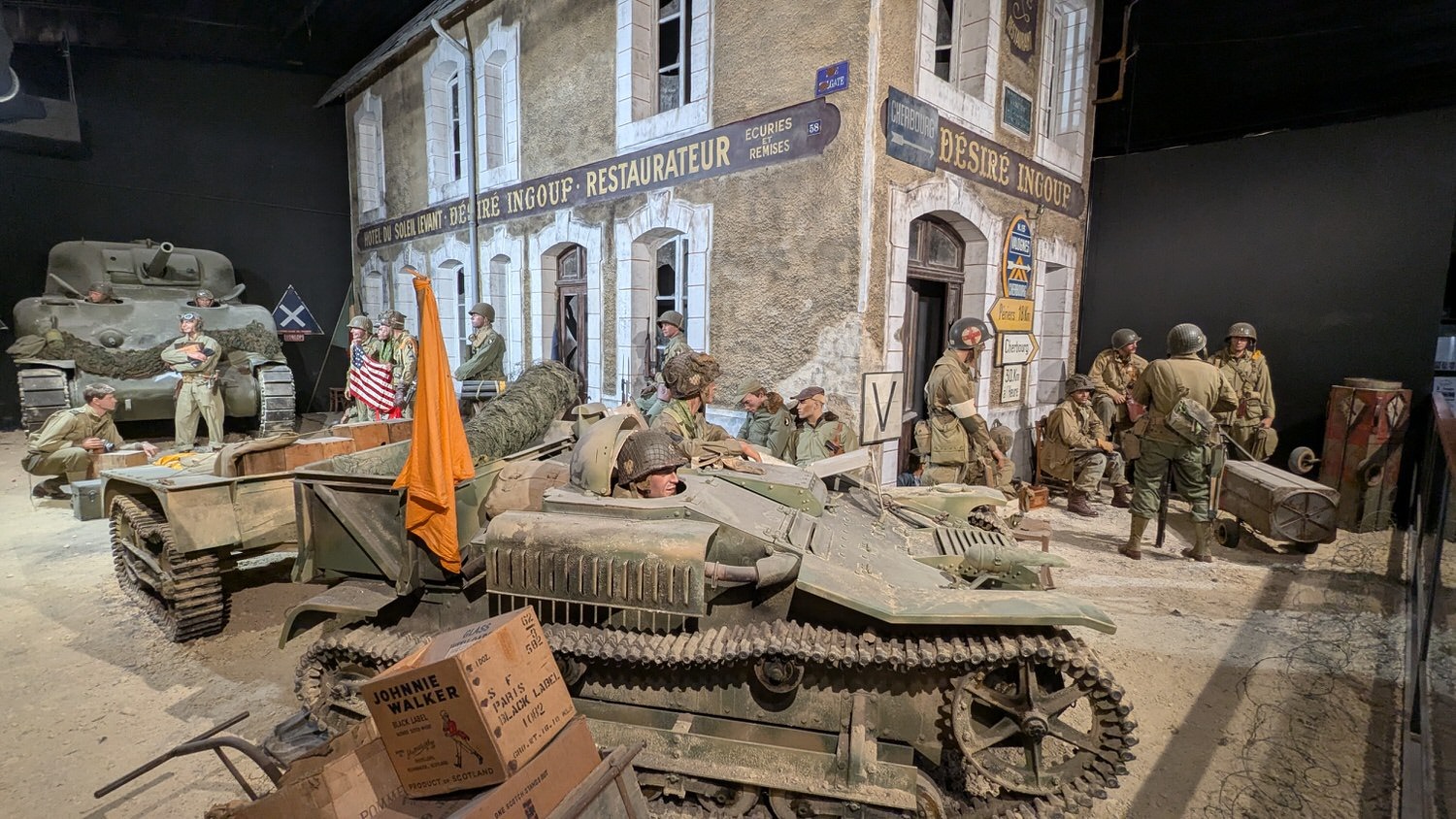
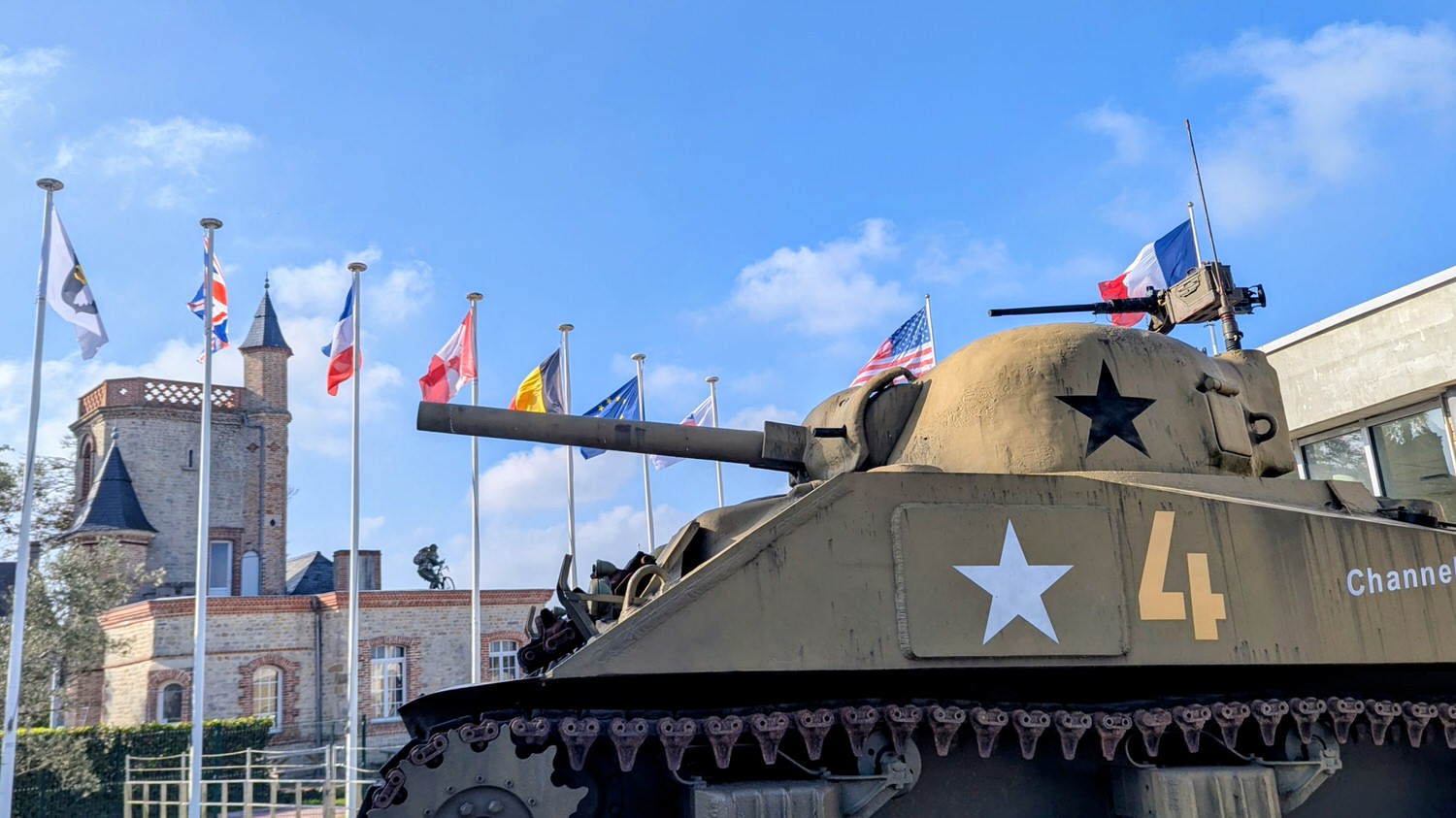
The Victory in Normandy Museum: The museum is okay, but mostly it’s a collection of mannequins dressed in American or German uniforms. There is information, but it’s a bit shallow to be honest. If you like looking at military stuff and have time on your hands, then its fine.
The D-Day experience. This is a superb museum. The main hall is over two levels and you can spend alot of time here. Besides the many street scenes, there are many displays with artifacts that actually belonged to soldiers, but with each item there is a story about the soldier, sailor or airman. In another hall there is a D-47 Dakota simulator, where you strap-in and take a flight over to D-day. You do this in a real Dakota which is on hydraulic rams to simulate movement, and it was very good. There is also s a cinema showing a superb 3D film about D-day. Outside the museum there’s also Dead Man’s Corner, which was a house that was held by the Germans and then the Americans, and they have gone to great lengths to make it look as it what when it was a German Army FOP. It really is an interesting museum and I enjoyed it, probably one of the best D-Day museums.
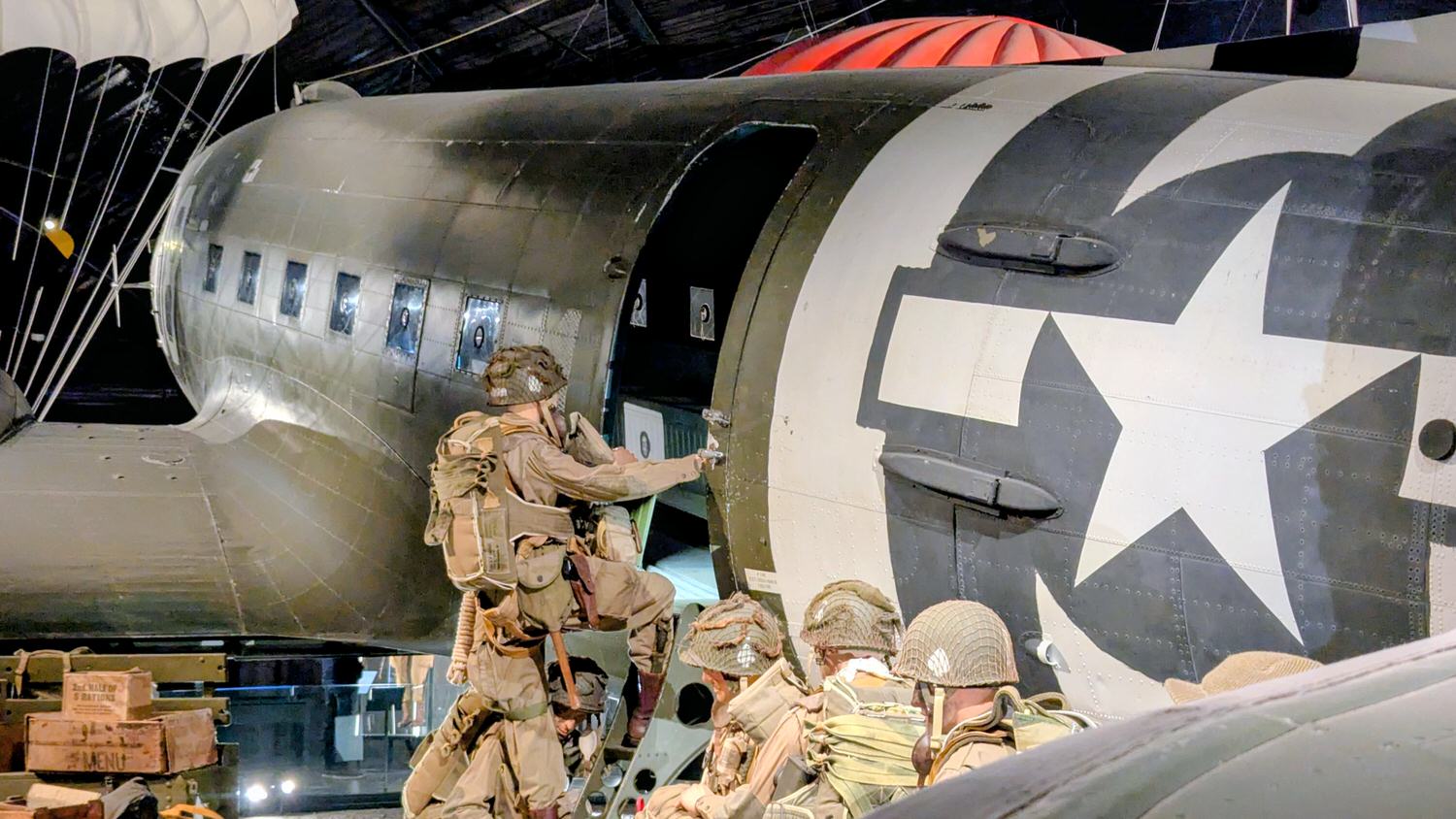
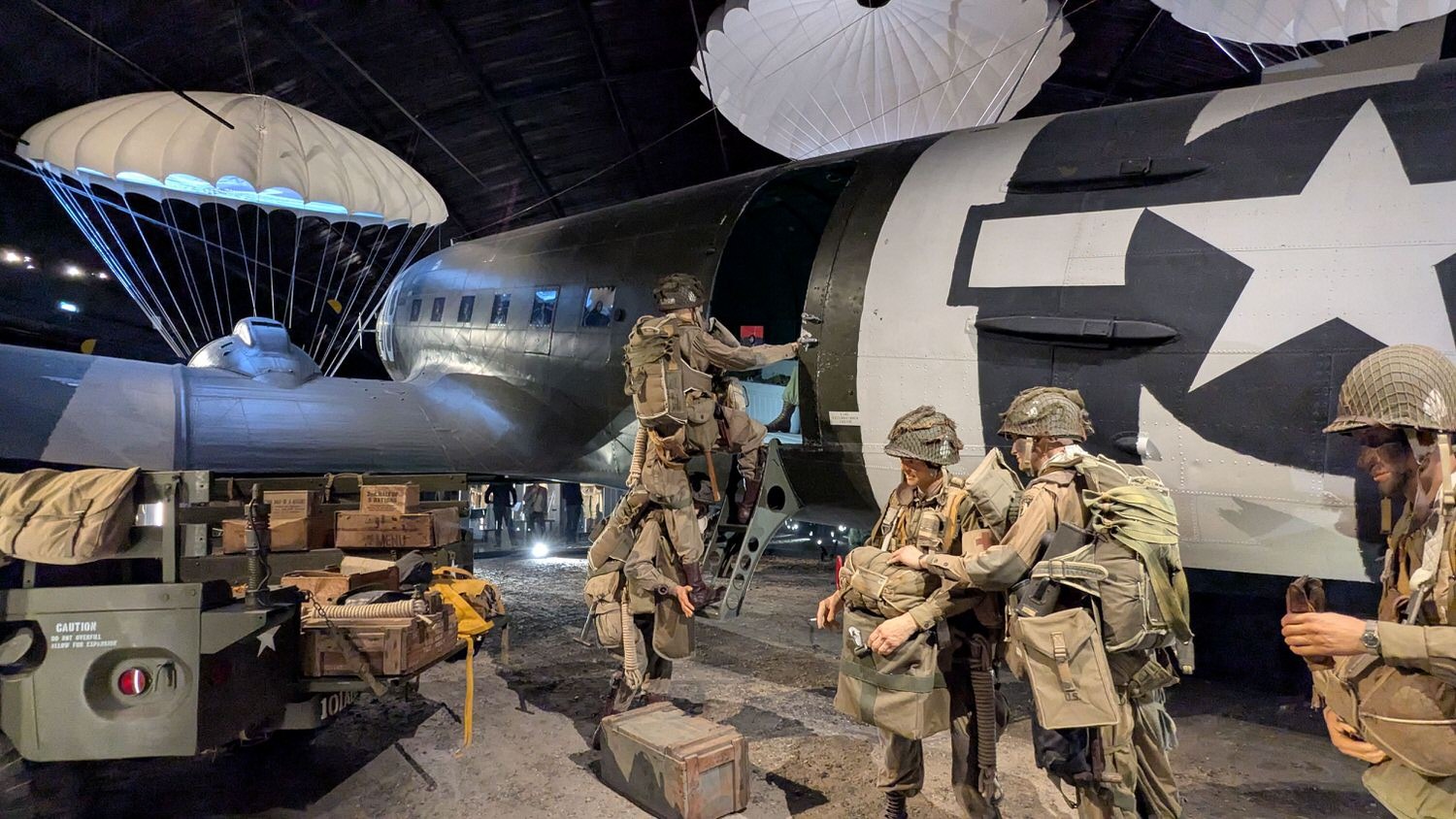
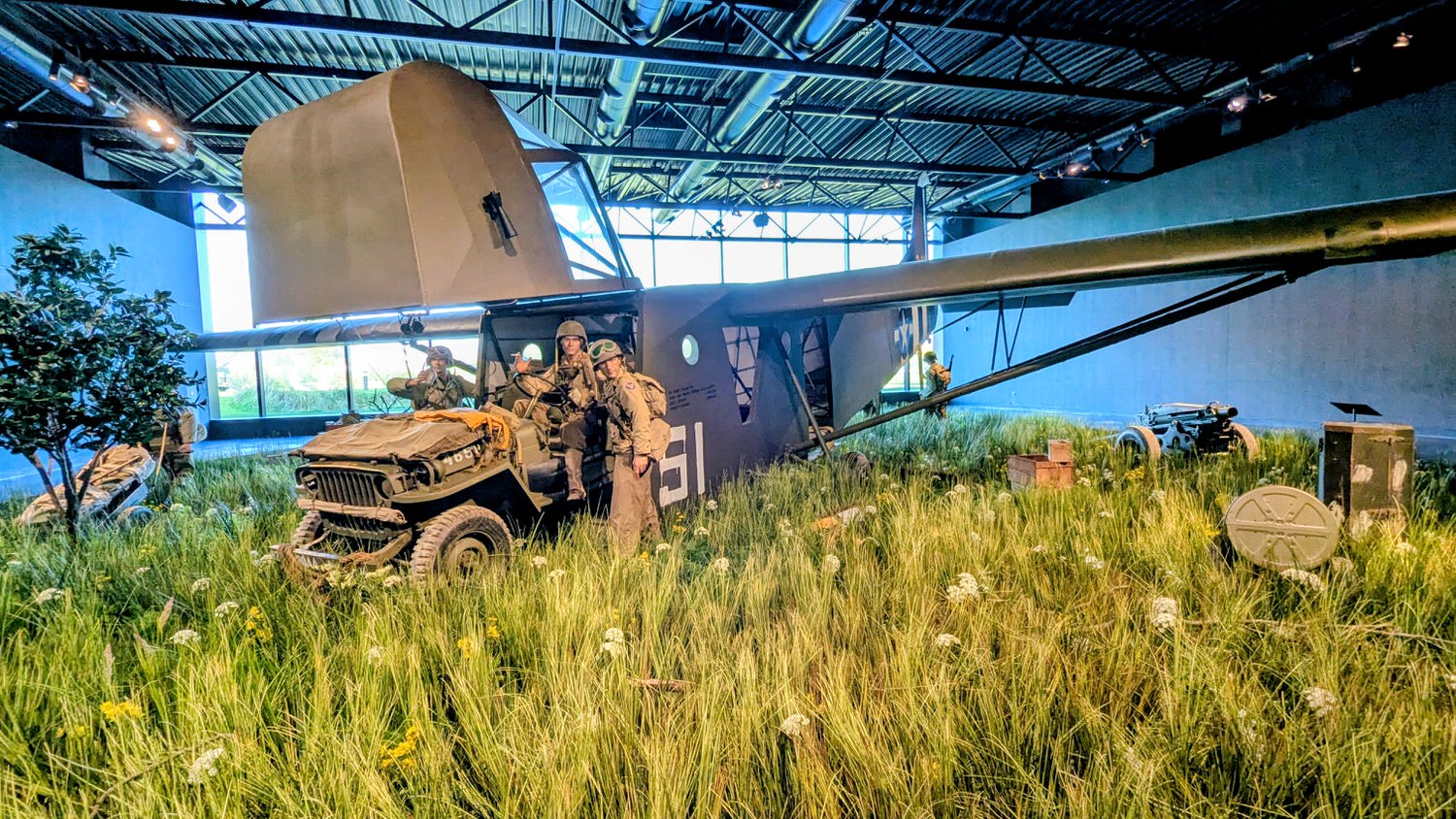
The 101st Airborne Museum: This is also a really good museum. There are five pavilions, with one containing a Waco Glider and another a complete C-47 Dakota. I also enjoyed this museum as it tells you lots of information about the area, the local people, D-day and the 101st Airborne. Another museum that is well worth the visit.
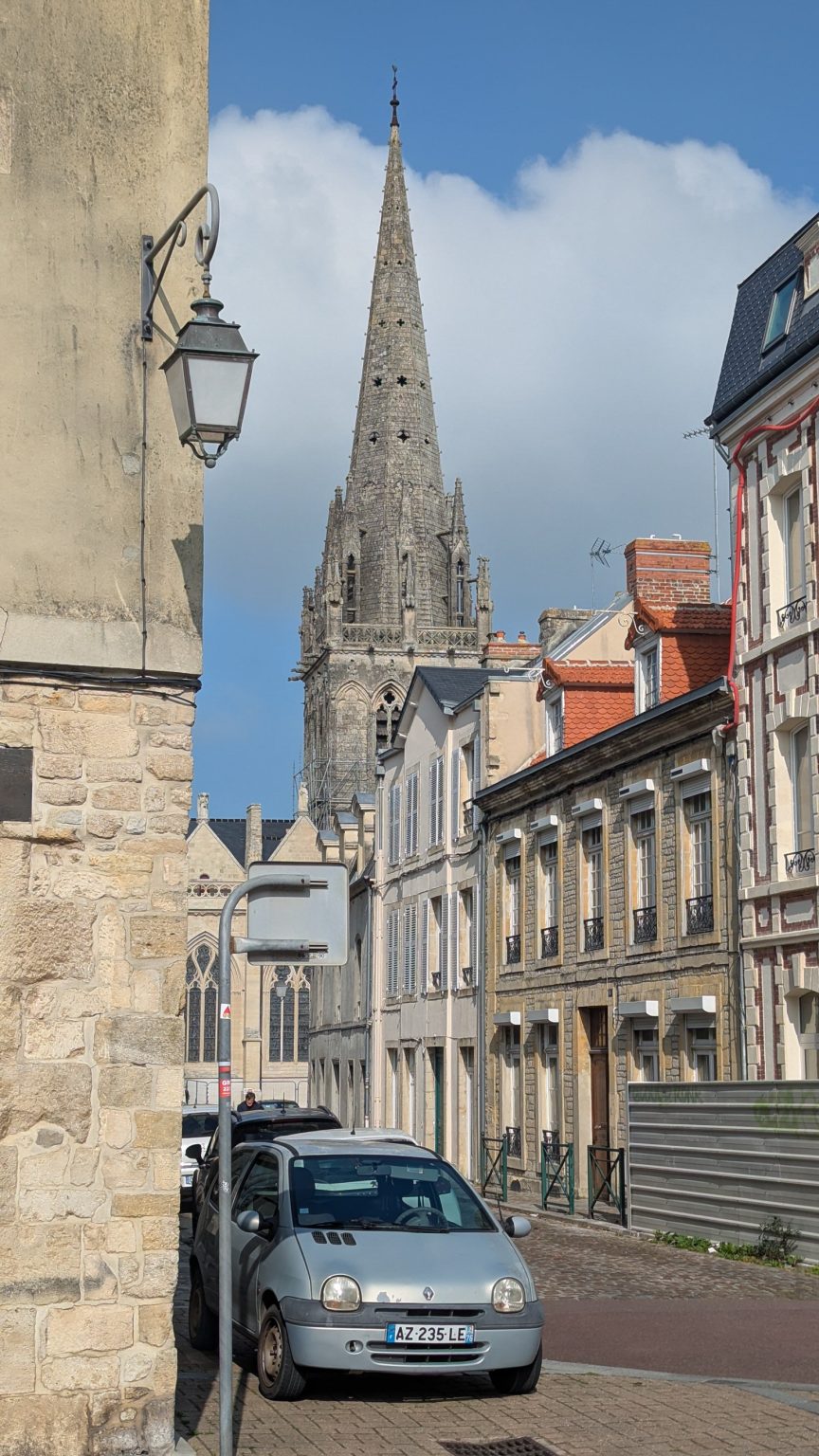
CHERBOURG. I also spent a day in Cherbourg. Unfortunately it was badly damaged in 1944, so there is little originality left, but it’s a pleasant city. In the harbour is a vast building which used to be the passenger terminal for ship travel.
Cherbourg was a very important part of European history because of its huge deep-water harbour. From the mid 1800’s to the mid 1900’s over 36 million people left Europe, the Balkans and Russia, heading for South America, Canada and the USA, with the bulk arriving in New York. Many millions of emigres left from Cherbourg, chasing the American dream. Alas, when they got to the USA, many soon realised that there was no American dream, as they were expected to build the American dream.
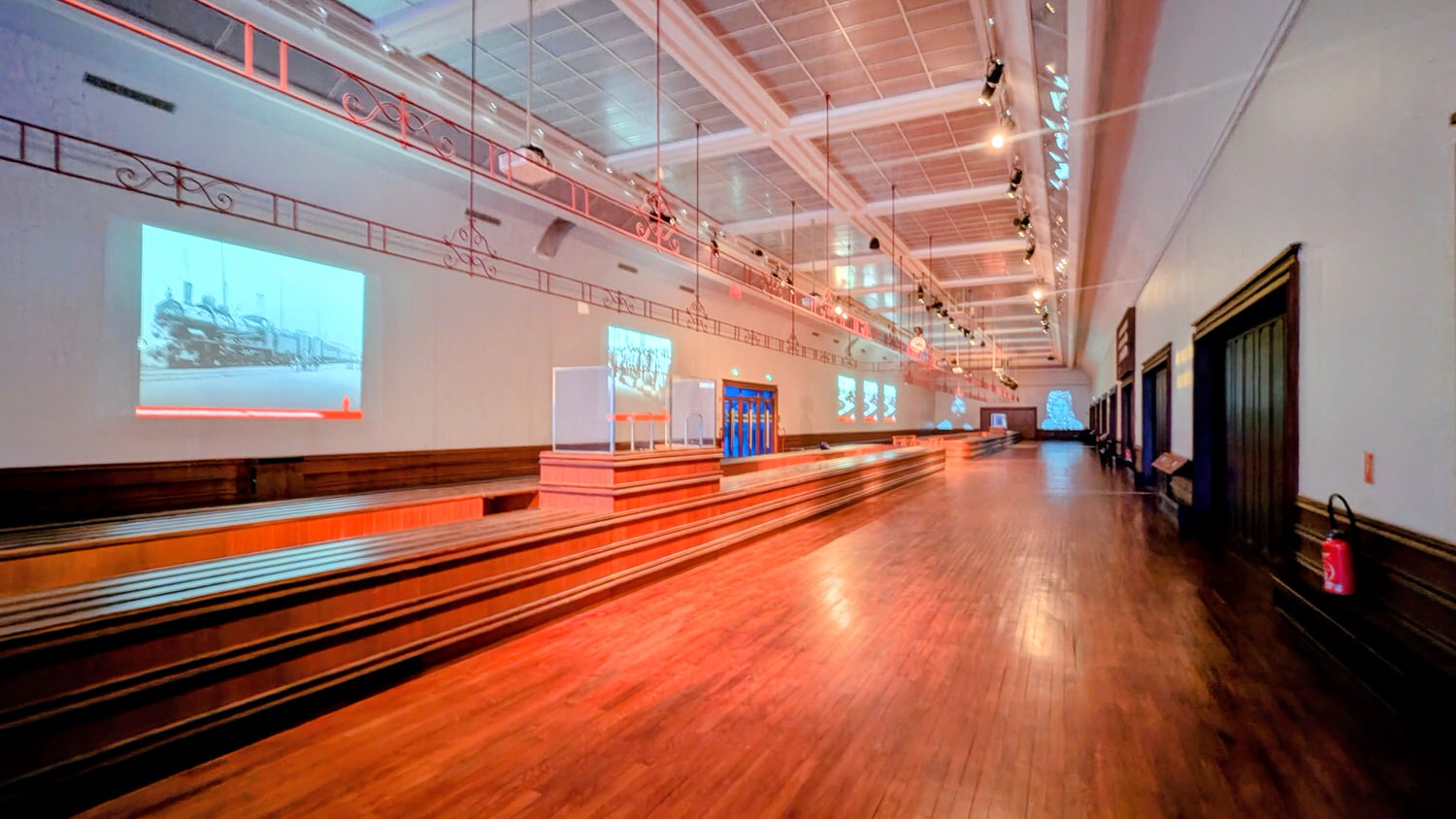
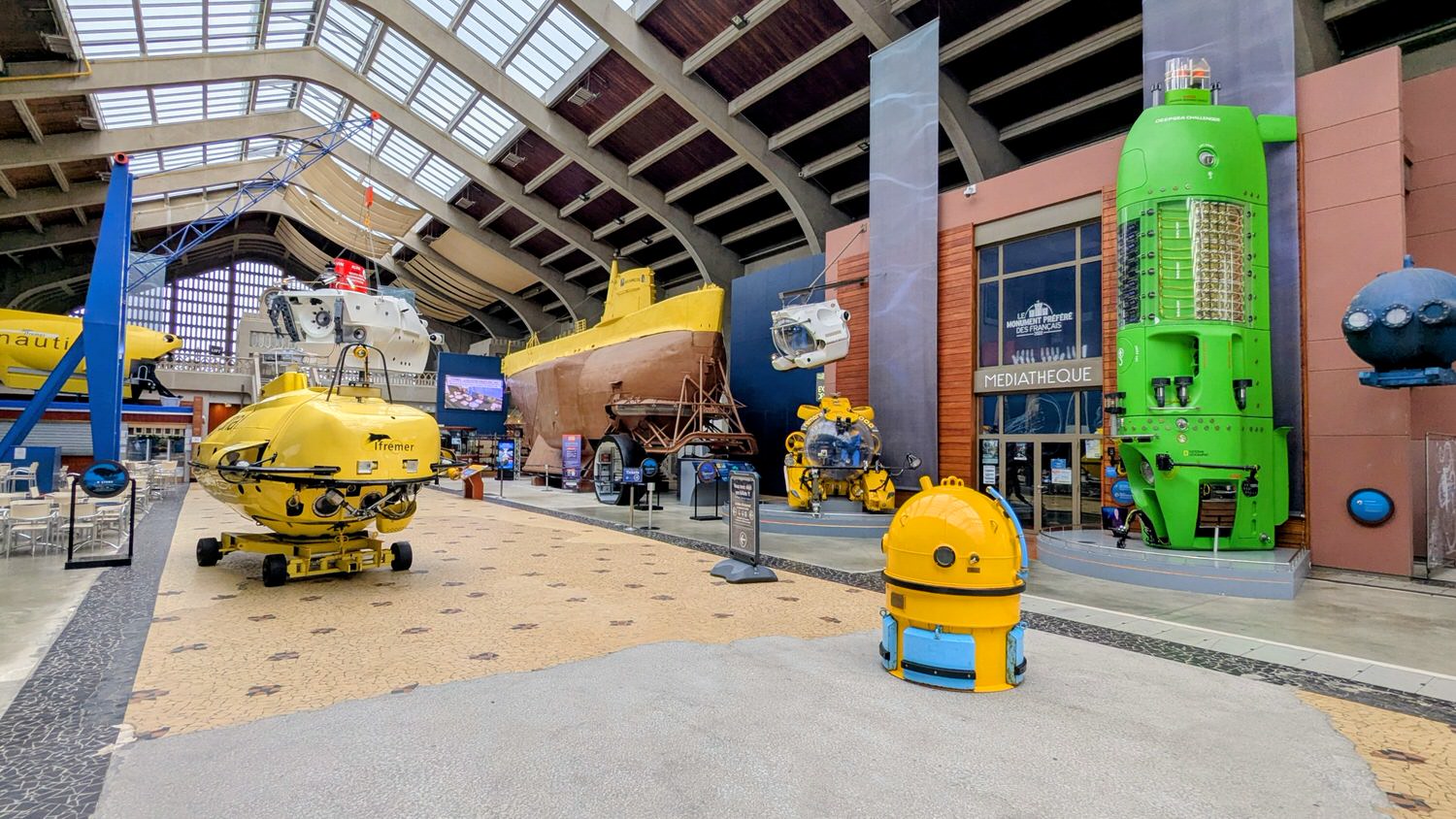
In 1927 a vast terminal was built next to the harbour. The railway led straight into the building, and walking up the broad stairs with their baggage they would enter a huge hall before boarding their ship. In the heyday of luxury Liners, many would dock here. The terminal was badly damaged in 1944 but was rebuilt in 1947 and carried on being a passenger terminal, but the days of the steam liner was soon over so after closing in the 1970’s, the terminal was brought back to life a few years ago and has become a vast museum: La Cite de la Mer. And it’s brilliant.
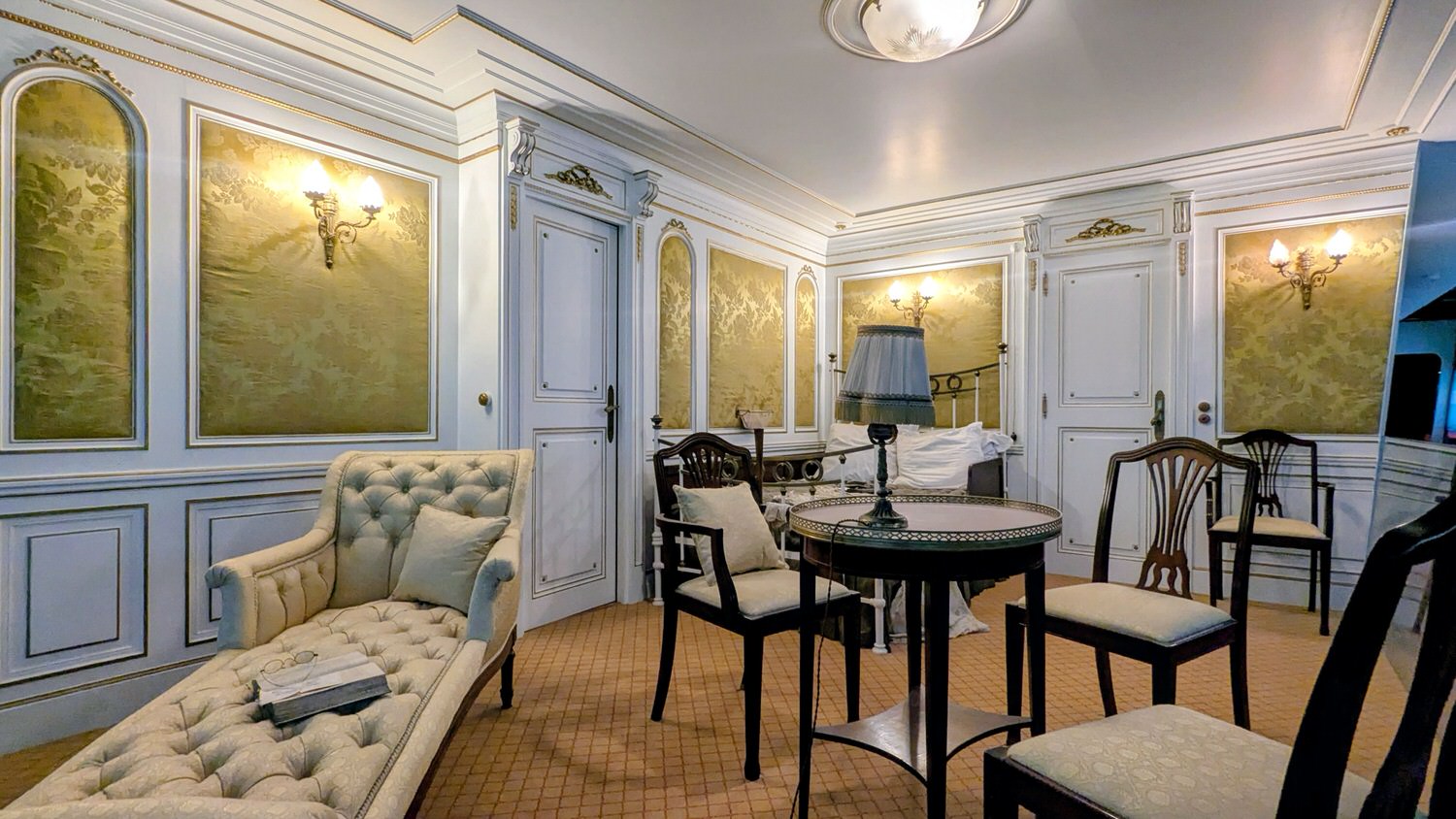
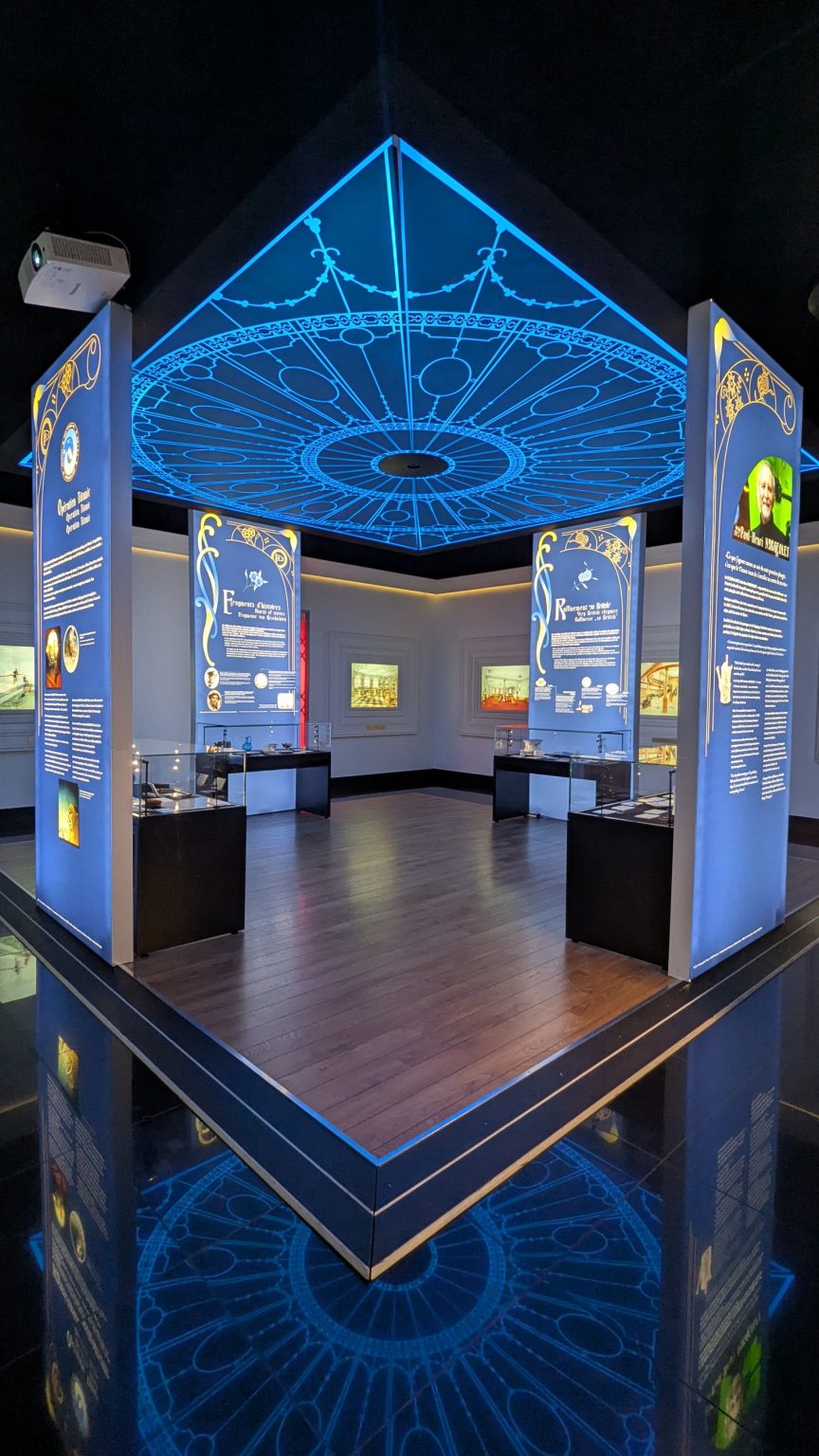
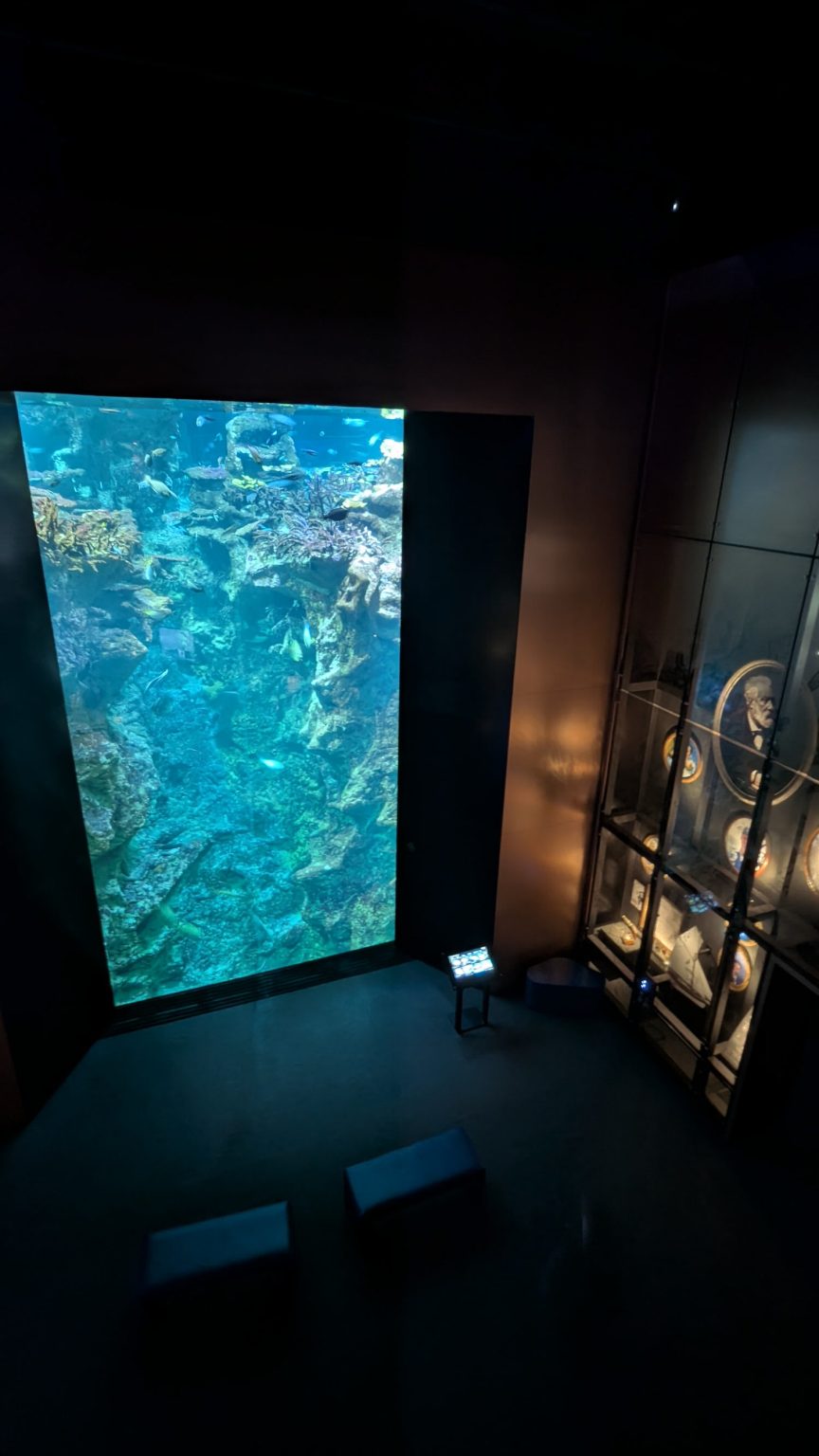
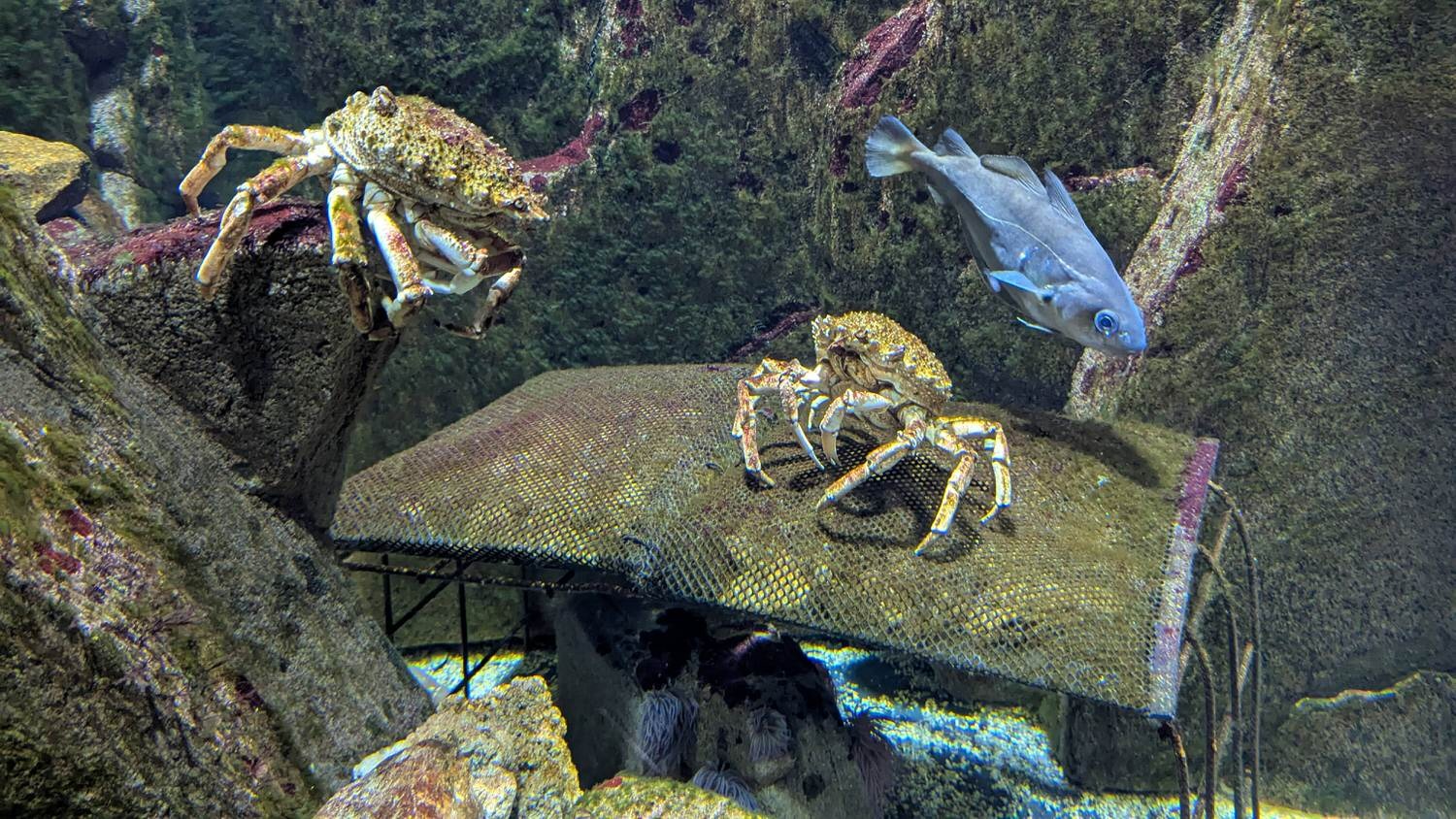
La Cite de la Mer: In the large hall where the trains used to stop there are several submarines that were used for deep-water research. Then there is the Titanic museum, which was really interesting. In another area there is also a huge aquarium which besides showing you lots of information about the sea, its life and its fish, there is a huge tank and many smaller tanks with all kinds of fish. Even jellyfish. It really was interesting, and its so calming watching fish swim. I could have stayed there for hours.
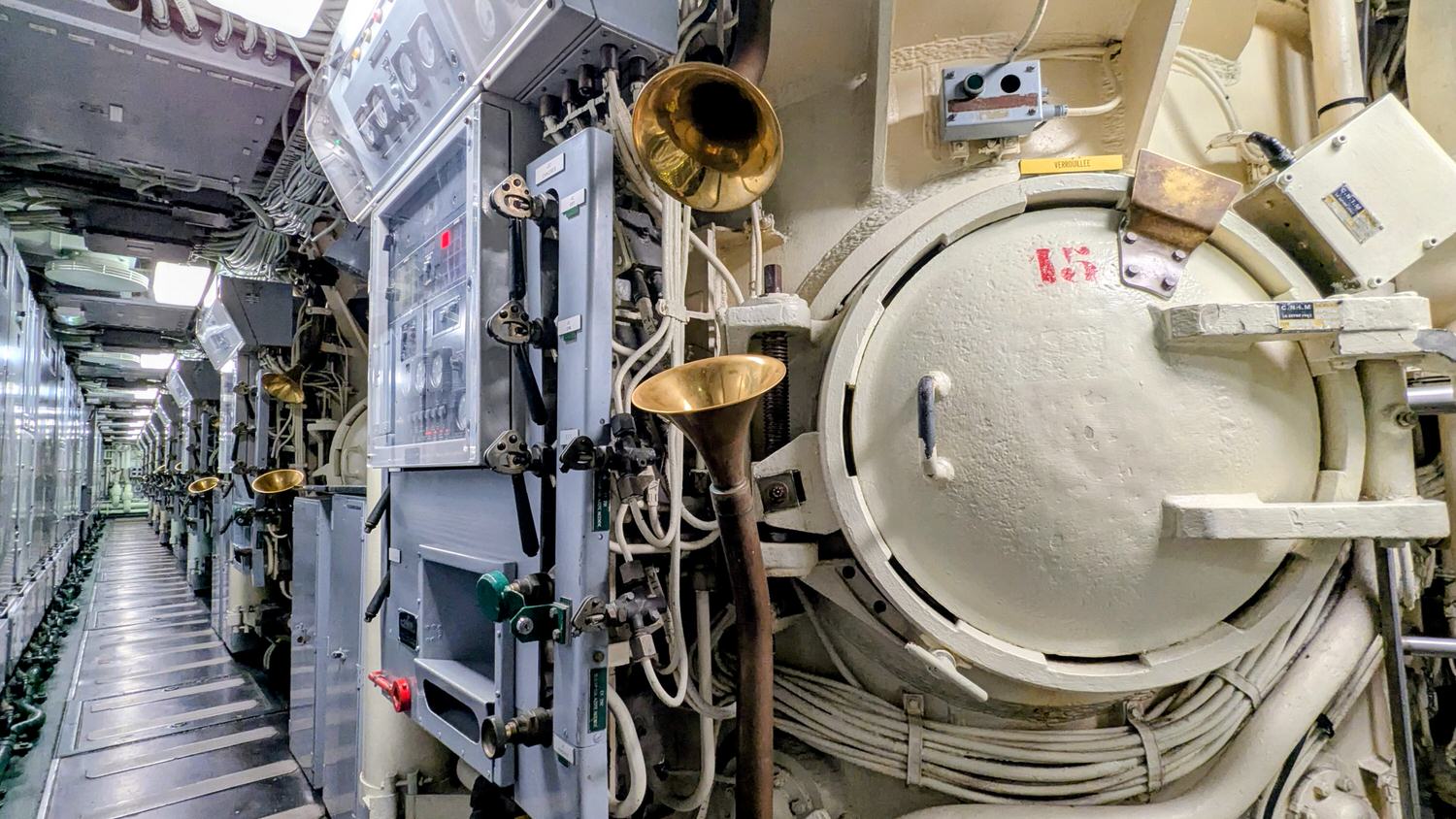
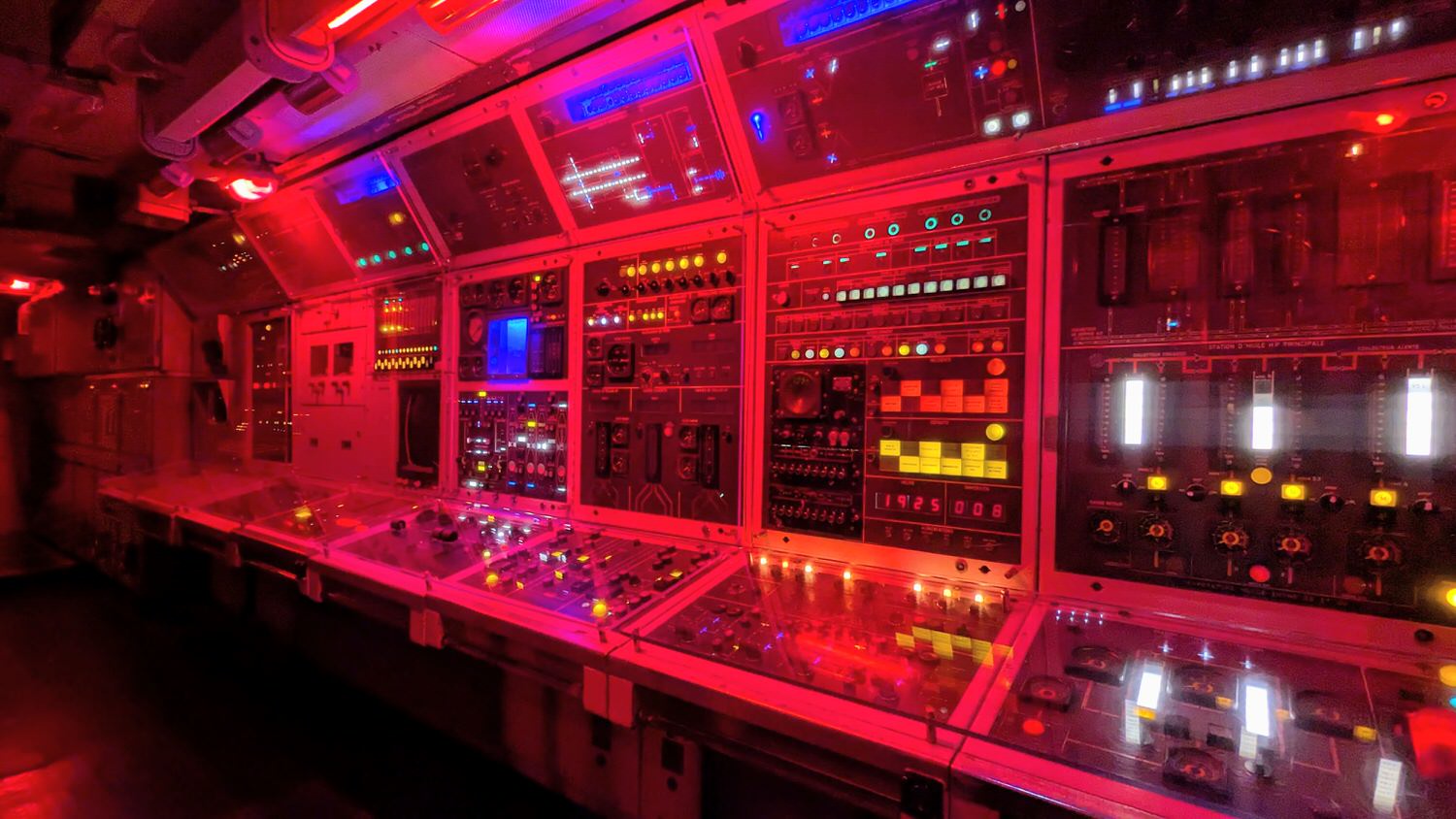
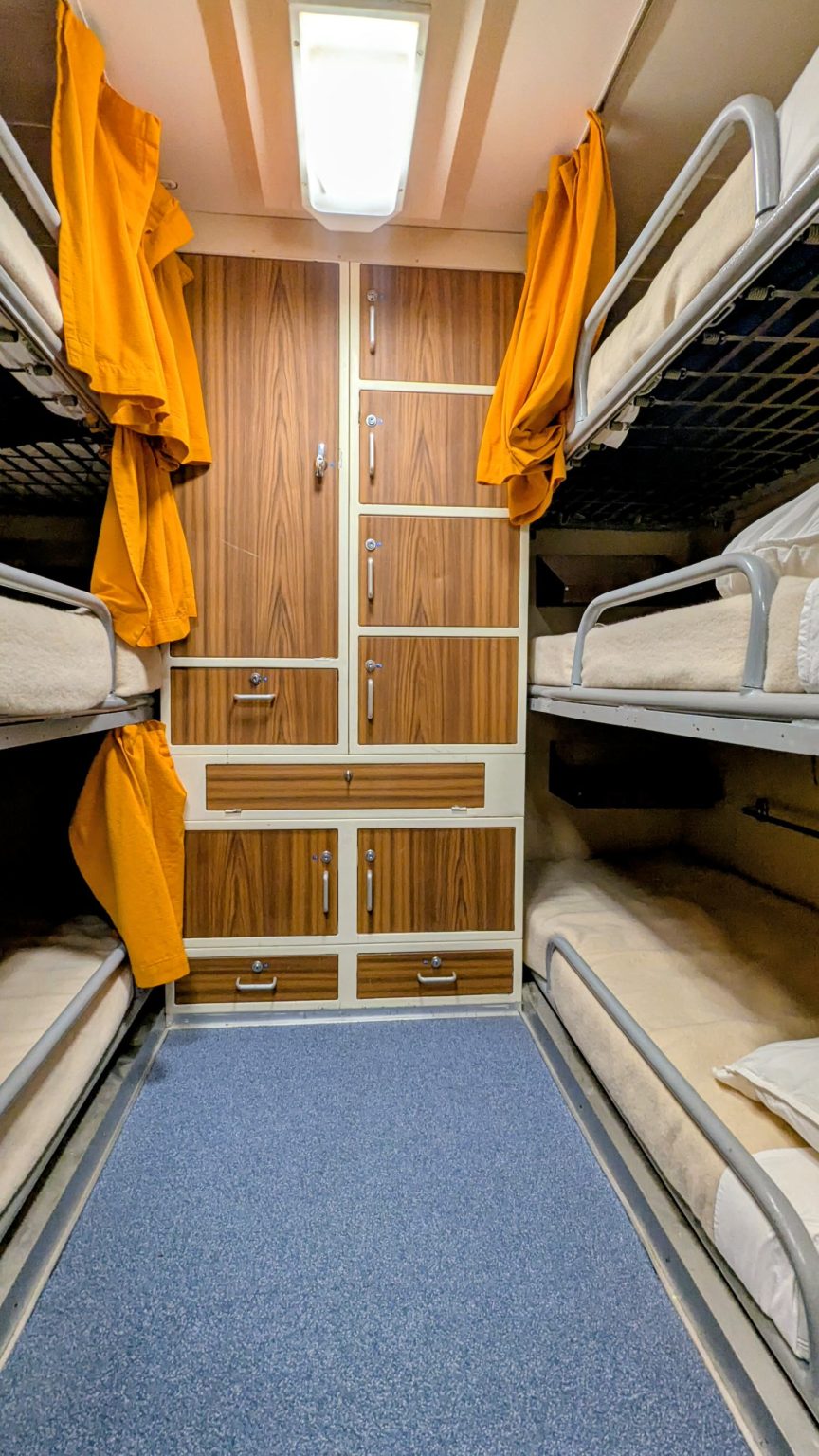
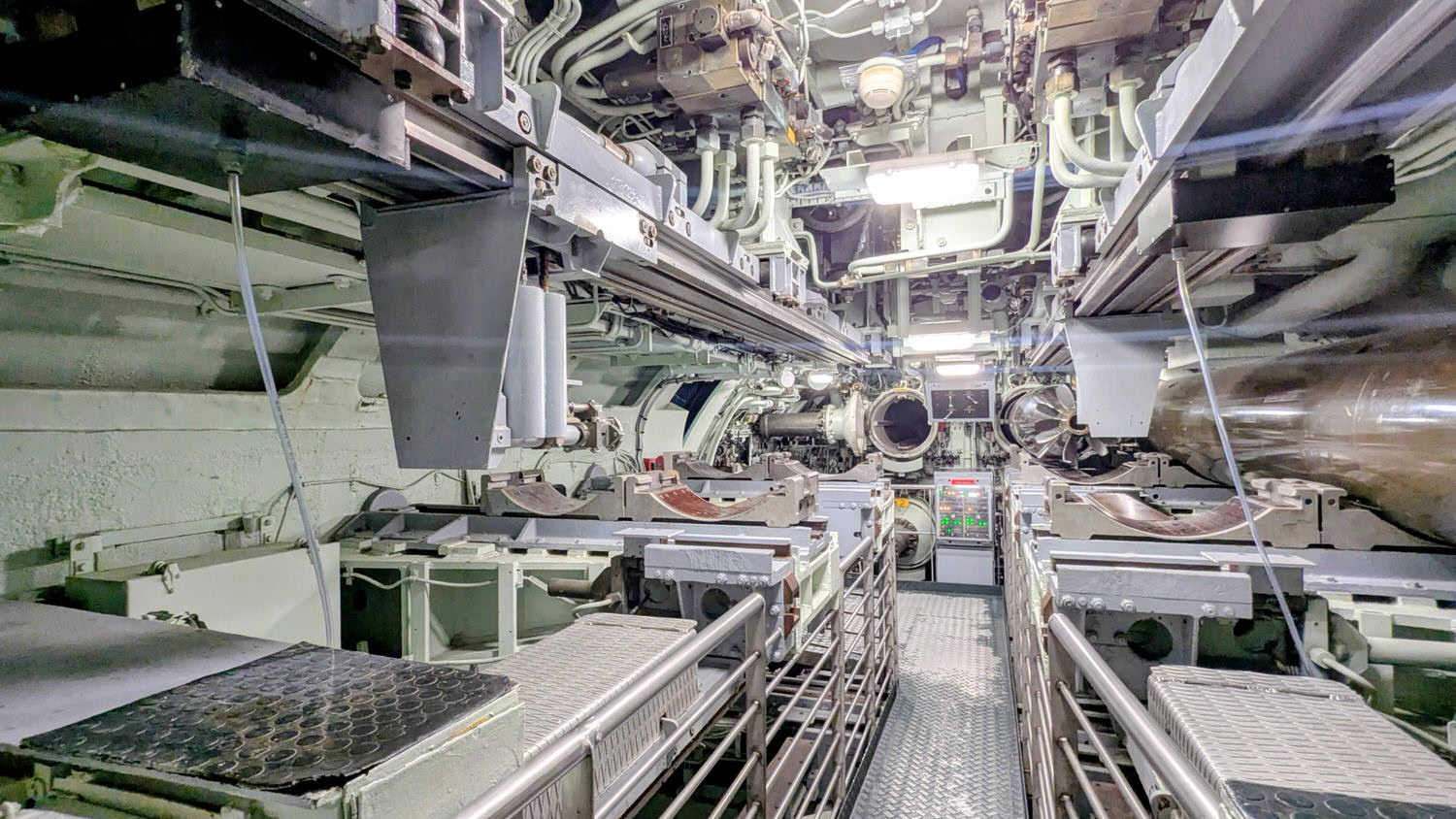
The final part of the museum is Le Redoubtable, which was the first nuclear ballistic missile submarine built by France – in Cherbourg. France built their first operational submarine at Cherbourg in 1897, and it remains a shipbuilder for all their current submarines. Having Le Redoubtable here is a fitting memorial to the shipbuilding skills of Cherbourg. The nuclear reactor has been cut out of the submarine, and the space where the reactor used to be hull is a large blank that connects the two parts of the submarine back together again. You can walk around from the back to the front, and with your audio guide you can experience what it was like to be on a proper nuclear submarine.
I spent four hours here and to be honest, I felt I had to rush at the end, probably because I spent too long watching the fish swim and also on the submarine. If you visit, give yourself a a good half a day. There’s even a cafe, so you could even make a day of it. Its a brilliant museum, and well worth the 21eu entrance fee.